5 Steps To Get Your Web Design Project Off To A Good Start
If you are a new web designer and you have just received a new project, chances are, you are excited to dive right in to your work.
You probably are too eager to bypass the boring parts of the project to get your hands on the good stuff.
However, before the excitement gets into your head and you start tinkering with your toolbox, you might want to slow down first.
Take note that any web design project, regardless of the size and scope, is something you should deal with great care. If proper planning goes out of the window, it is likely that you will mess up the project.
So to get it right for first time and have a good start that you could sustain until the end of the project, here are some important “recipes” worth keeping in mind.
Brainstorm with client
One of the most crucial aspects of a successful web design project concerns the initial meeting with the client. This involves getting all the details concerning the project, including
- the goals and expected outcomes of the client,
- objectives of the project,
- target audience,
- competitors,
- deadlines,
- budget limit,
- etc.
Ask the client to tell you everything he or she has in mind and share your own input. At the most, both of you should be on the same page to ensure everything is covered and the whole idea is clear.
Identify website goals

Every website should have a goal because this determines the direction of the overall design process. As such, let your client list down the goals he or she has in mind.
When setting goals for the website, consider using the SMART criteria. This stands for goals that are
- specific,
- measurable,
- attainable,
- relevant, and
- time-bound.
Know the audience
This stage basically involves knowing who will be the target market of the website and what types of users will go to the website.
The process involves a thorough research on
- the socio-demographic characteristics of the audience (i.e. age, sex, education level, occupation);
- the psychological characteristics of the audience (i.e. lifestyle, personality, philosophies);
- their wants and needs;
- and their geographic location.
Understanding all these is vital as this will define the user interface design of the website that will appeal most to the target audience and will also determine the type of content or copywriting that will go into the website.
Understand the competitors
To ensure the success of your project, you need to know the competitors of your client. You need to have an idea of their strong and weak points as these things will allow you to develop ideas on how you will design a website that is better than theirs.
There are a number of ways you can analyze the competitors.
You may carry out polls, social media research as well as print media research.
Develop a mock-up website and perform a series of tests before finalizing
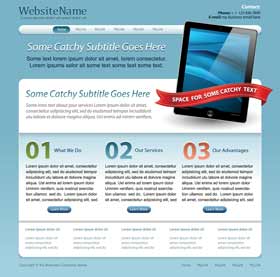 Proceeding from the information you have gathered, you can make a mock-up website that provides solutions to user problems and complements established goals.
This stage will also help you in identifying possible flaws, probable actions on the website, and prune unnecessary things on the design.
Before finalizing the design, have it checked by the decision-maker and explain everything there is they need to know. Your client may ask for revisions and adjustments which they deem necessary to improve the user experience of the website.
Once everything is in place, do not forget to test everything to validate the website’s effectiveness.